First Cohort
Embedded Software The tech inside robots & AI devices
Learn the skills powering robots, AI devices, and wearables — by building real projects, not sitting through theory.
Every student applying to top engineering programs has taken classes. Few have built anything. We give you the skills — and the projects to prove it — that make you impossible to ignore.
Zero to a working AI personal assistant in 12 weeks. This is the cohort we're launching with.
The skills inside robots, drones, and smart devices — learned by building them. 10+ projects, one capstone, all yours.
Fewer than 10 students will be accepted. Applications are reviewed on a rolling basis — earlier is better.
8–10 hours a week. Most of it spent building, not watching. The format is designed for students who already have school, sports, and a life.
1–2 live sessions mid-week for questions and debugging, plus a 24/7 Discord — George is in there.
Every week ends with something working — a CLI, a weather station, a Pong clone on an LCD. Real builds, demo-able, portfolio-ready.
George leads embedded software at an AI hardware startup, built two startups past 100k users, and played D1 soccer. He teaches the way he learned: by building.
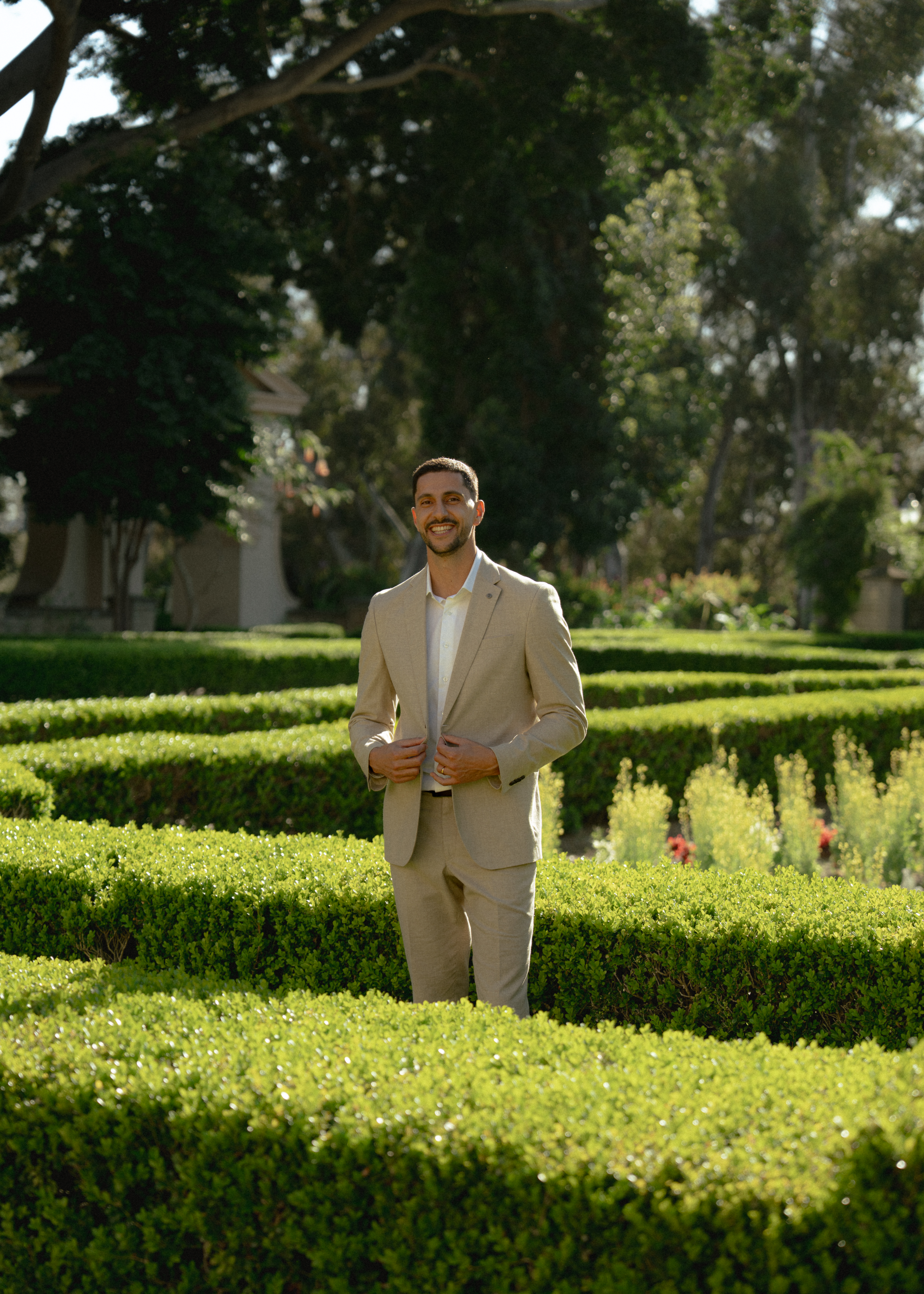
George leads embedded software at AON Devices — an AI silicon startup building ultra-low-power processors for voice recognition and smart devices. The silicon he ships ends up inside wearables and ambient devices used by tier-one companies worldwide.
Before AON, he founded two startups from scratch — a youth sports recruiting platform and an ML-powered soccer training app — both growing past six-figure monthly revenue and 100k+ active users.
San Diego native. Cathedral Catholic High School alum. B.S. Electrical Engineering, UC Irvine. Played D1 soccer at UCI and professionally in Belgium and Jordan. He brings the same mentality to teaching: fundamentals first, then go build something real.
11 real projects. A working AI capstone. Skills that open doors in college apps, internships, and careers.
Under 10 seats. Every student gets George's direct attention. Seats fill as applications are accepted — don't wait.
If your question isn't here, email us at george@ignitetechacademy.com — we'll answer within 24 hours.
Basic programming helps — Python or JavaScript is enough. No C or hardware experience needed. Weeks 1–2 get everyone fluent in C before we touch hardware.
Our plan is to ship every student a kit with the ESP32 dev board, sensors, LCD, mic, speaker, camera module, and a bag of components — all included in the program. You bring a laptop (Mac, Windows, or Linux) and a USB-C cable.
2-hour live session online every weekend, recorded so you never miss one. 1–2 office hour sessions mid-week. Weekly project work on your own time. Discord is open 24/7.
Yes. You finish with 11 portfolio projects and a working AI capstone — photographed, documented, and demo-ready. That's what engineering admissions officers want to see.
8–10 hours per week: 2 hrs live Saturday session, 1–2 hrs office hours, 5–6 hrs on the weekly project. Think of it like a serious AP class.
TBD — confirm cohort cap Cohorts are intentionally small so George can know every student's project. Once we lock the cap we'll update this page; in the meantime, applying early is the safest way in.
Every session is recorded. Office hours and Discord are there all week. The goal is for every student to ship every project — not to filter anyone out.